The Policy Labs Applied Scholarship Programme is an applied scholarship programme designed as a next stage of Policy Labs and aimed at the further development and practical advancement of ideas initiated within Policy Labs towards real-world implementation.
Objectives
The objective of the Policy Labs Applied Scholarship Programme is to support Policy Labs alumni in:
further developing ideas formulated during Policy Labs
transforming conceptual work into applied solutions
preparing for subsequent stages, including institutional implementation, partnerships, pilot initiatives, or further funding.
The programme does not guarantee project implementation and does not promise subsequent funding. Its purpose is to strengthen the idea and the fellow’s capacity to further develop and implement it.
Fellows 2026/27
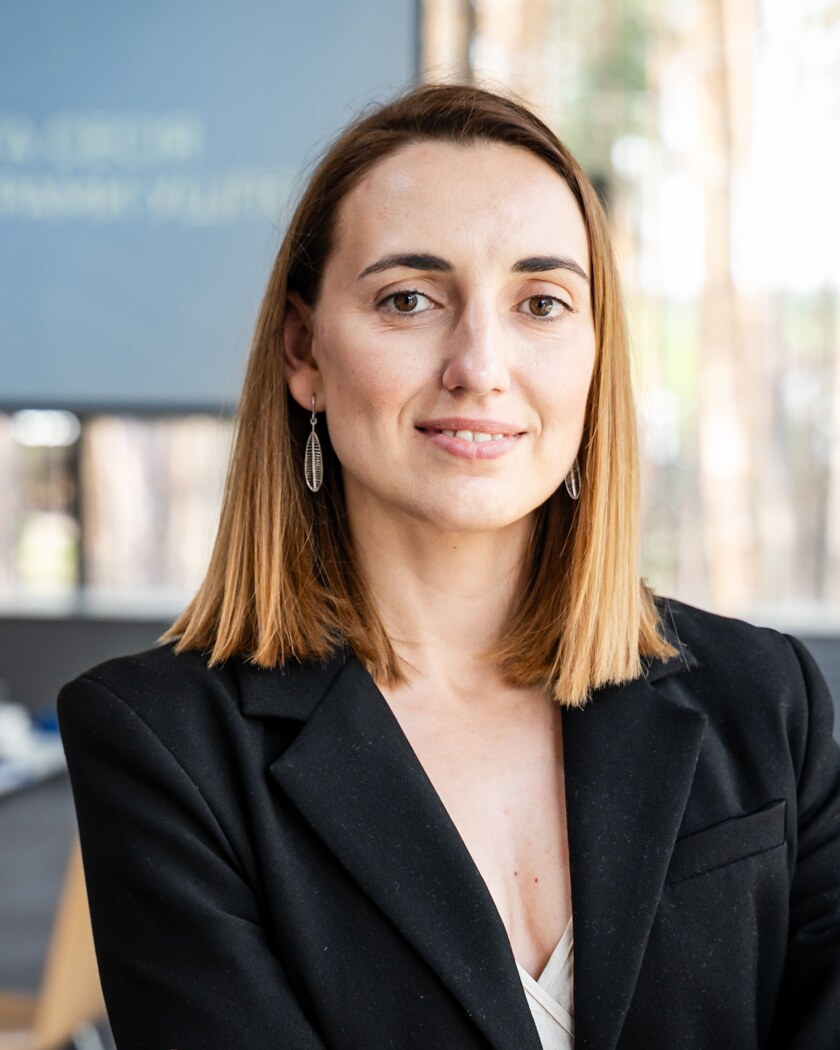
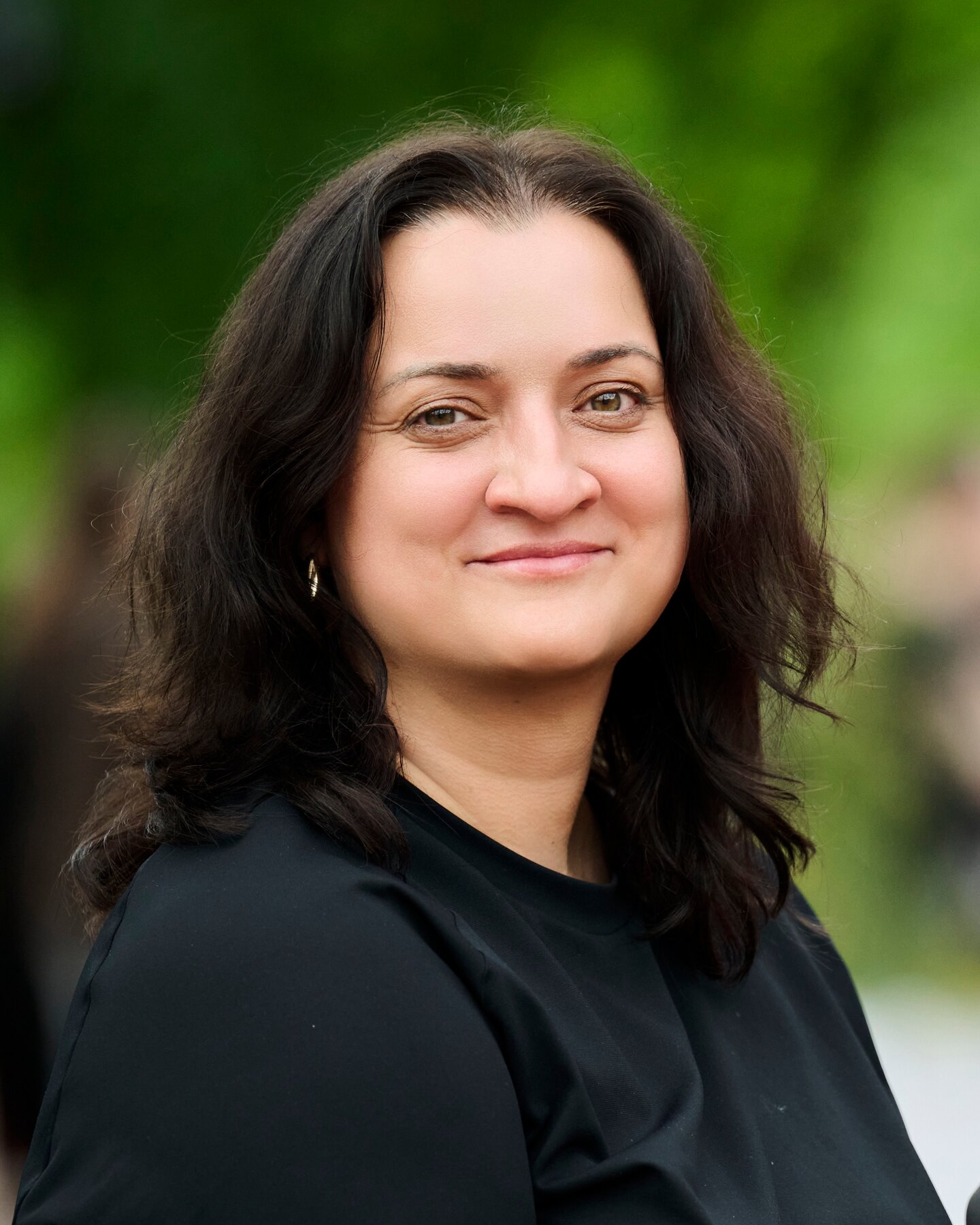
Ola Myrovych
Ola Myrovych is Head of Lviv Media Forum and a media and non-profit professional specialising in strategic management, fundraising, and organisational development. She has advised more than 20 Ukrainian organisations and worked with international partners to strengthen the media and civil society sectors. She is also the founder of the Szczeniowski Palace initiative, leading the revival of a nineteenth-century palace in Podillia as a pilot for private stewardship of Ukraine’s unprotected cultural heritage.
About the project
Ola will develop a stewardship model for neglected historic properties in Ukraine, using the Szczeniowski Palace in Podillia as a case study. It will explore European approaches to adaptive reuse, governance, and sustainable financing, examining how they could be adapted to Ukraine’s legal and financial context. Building on Policy Lab 5’s focus on citizen participation, the project will connect heritage preservation with community value and entrepreneurial initiative. Its intended outcome will be a prototype model and an implementation pathway that could inform the revival of other neglected heritage sites.
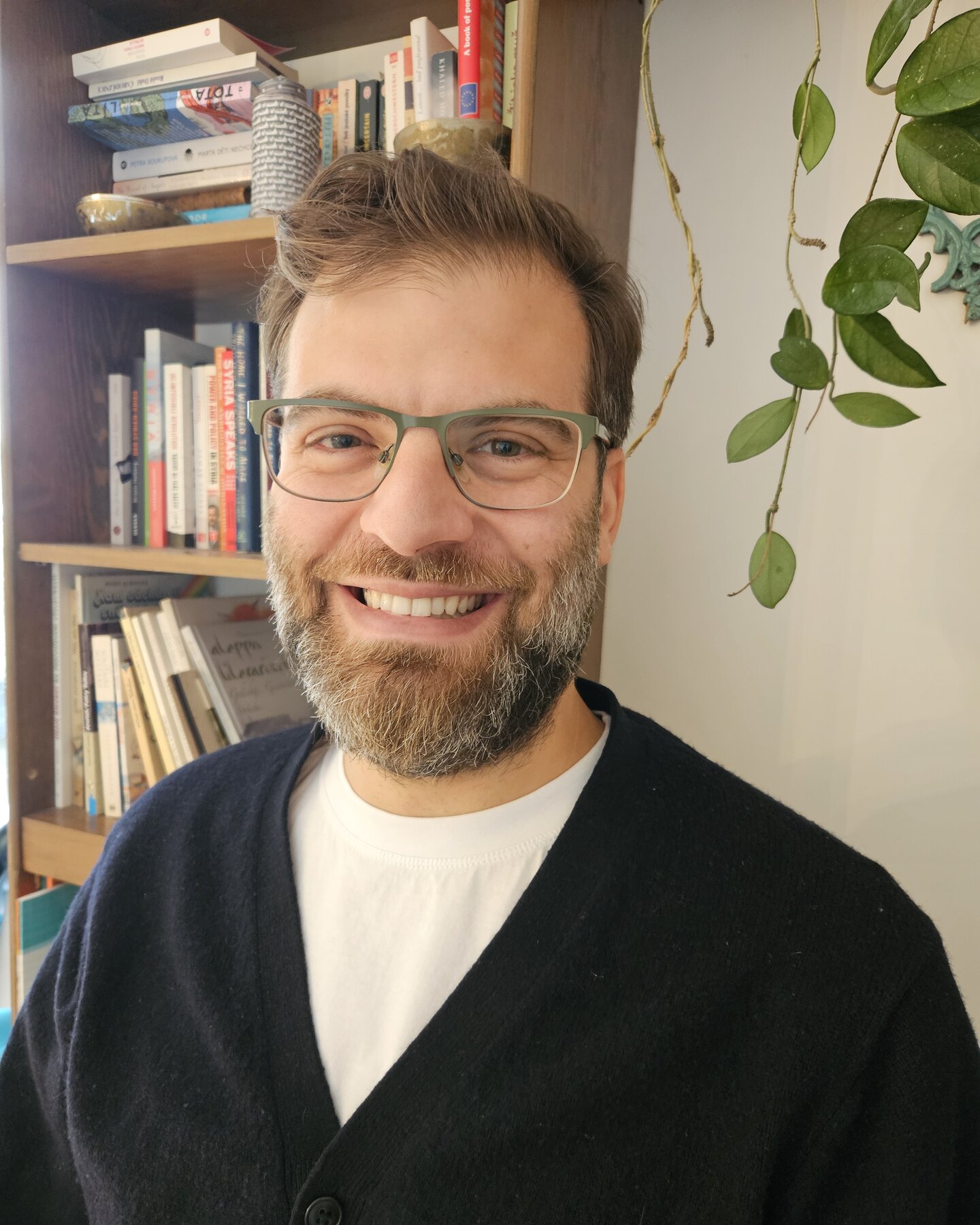
Alhakam Shaar
Alhakam Shaar is a multidisciplinary researcher specialising in urbanism, conflict, civil society, migration, and cultural heritage in West Asia and North Africa (WANA). His experience includes university teaching and leading The Aleppo Project at Central European University. As an independent consultant, he has worked with civil society organisations, universities, and international partners including GIZ, UN ESCWA, the Stanley Center, SVR, and UCLA.
About the project
Alhakam will explore Ukrainian and Syrian experiences of recovery to examine how trust, inclusion, and accountability can strengthen citizen participation. Building on Policy Lab 5, it will bring practitioners and researchers together for a structured exchange, informing a concise comparative report and a draft Civic Participation Charter. The Charter will offer adaptable principles for municipalities, cultural institutions, and civil society initiatives, while recognising the distinct circumstances of each country.
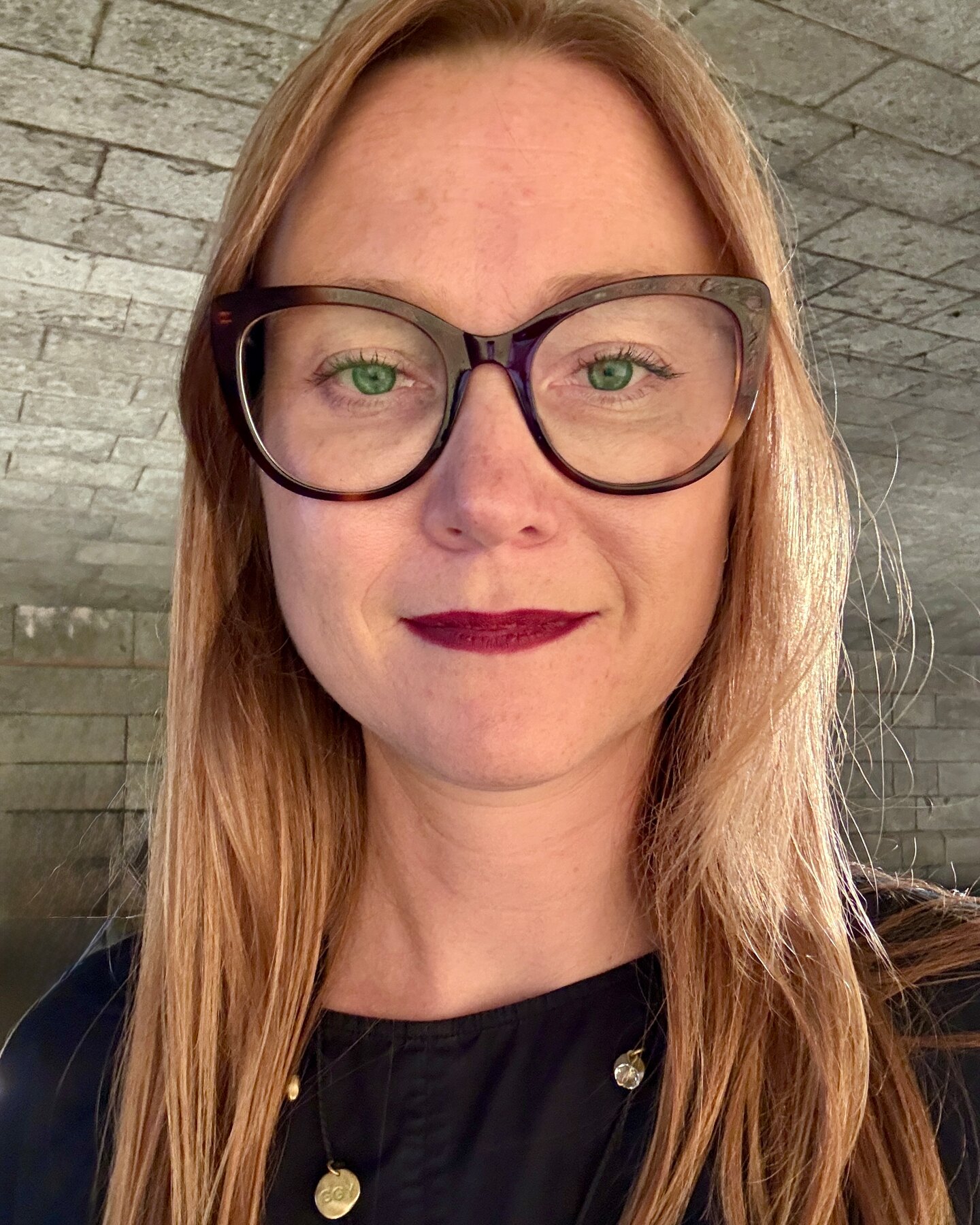
Kateryna Filyuk
Kateryna Filyuk is a curator, researcher, she holds a PhD in Cultural Studies from the University of Palermo. In 2017-2021 she served as a chief curator at “Izolyatsia. A Platform for Cultural Initiatives” in Kyiv. Kateryna is the co-founder of the publishing house “89books” in Palermo. From 2025 she is a co-organizer of the Methodology Seminars for Art History in Ukraine supported by the Bibliotheca Hertziana – Max Planck Institute for Art History in Rome and the Research Centre Ukraine — Max Weber Foundation, Lviv. From 2026 she is a curator at “Izolyatsia. A Platform for Cultural Initiatives”.
About the project
Kateryna will explore Pohlyad (“Viewpoint”), a photographic association that had been active in Kyiv from 1988 to around 1994, whose history remains largely overlooked. Drawing on oral history interviews, private archives, and diaries, the project will examine how Pohlyad photographers challenged Soviet visual conventions and opened new spaces for civic expression during Ukraine’s transition to independence. The research will contribute to preserving Ukraine’s photographic heritage and form the basis of a book exploring the relationship between photography, civic life, and political change.
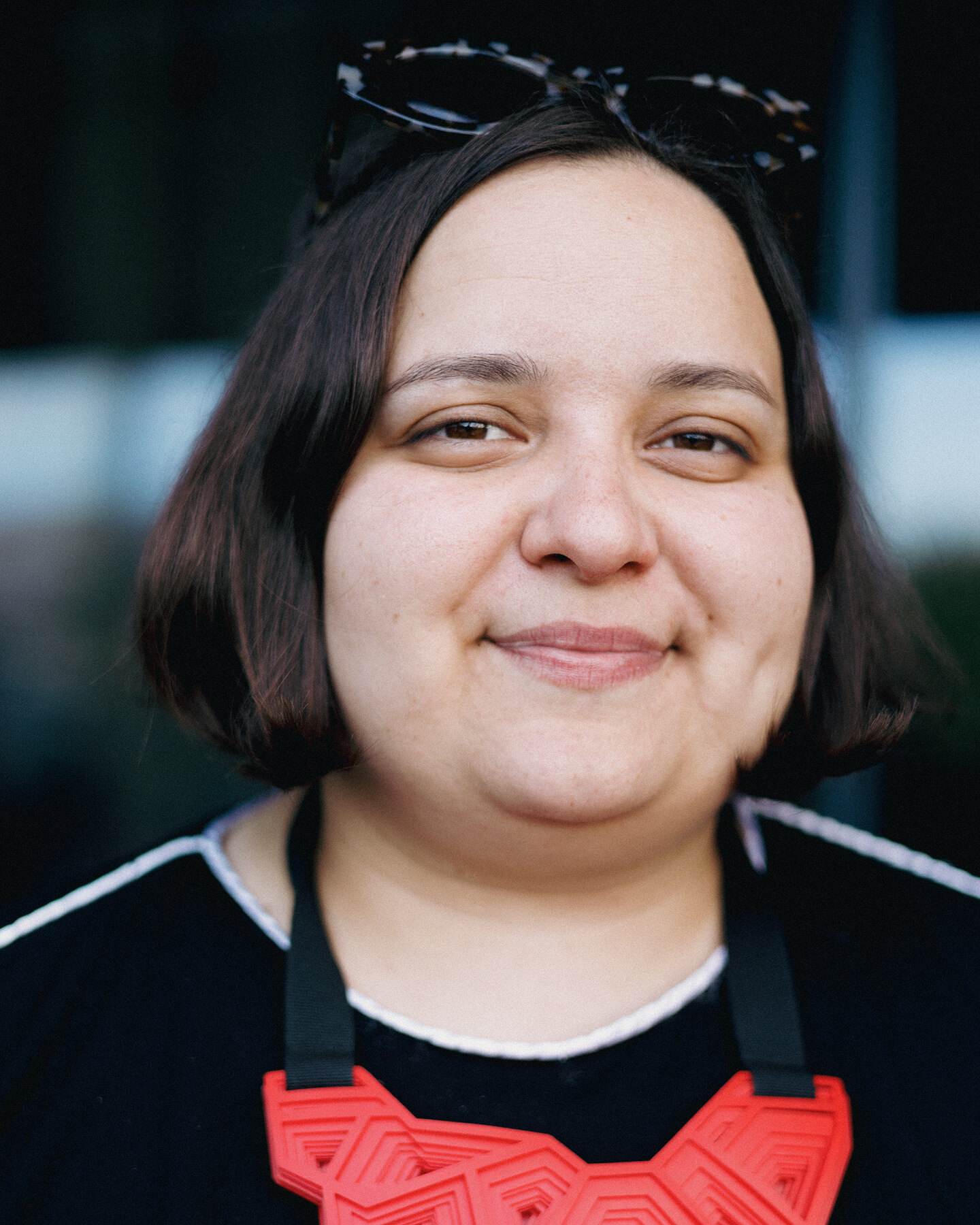
Olha Honchar
Photo: Anna Ikonnikova
Olha Honchar is a cultural studies scholar and Director of the Museum of the History of Wars, Struggle and Resistance in Lviv. She is the founder and coordinator of the Museum Crisis Center — an initiative to support museum workers that emerged in the first days of Russia’s full-scale invasion of Ukraine. She serves as Chair of the Supervisory Board of the Lviv National Academy of Arts and Executive Director of the Veteran Women’s Movement (“Veteranka”) in Lviv.
About the project
Olha will examine the cooperation between NGO New Museum and Lviv City Council in rebuilding the Roman Shukhevych Museum, destroyed by a Russian drone attack in 2024. Drawing on practical achievements and challenges, it will analyse the legal and institutional conditions shaping museum reconstruction during wartime. Building on the first Policy Lab’s focus on cultural heritage, the research will develop a practical methodology to help local authorities and civil society organisations restore museums through effective partnerships.
Ilona Demchenko
Ilona Demchenko is a cultural manager with over 15 years of experience in international projects, institution-building, and cultural partnerships. She is Programme Director of Jam Factory Art Center in Lviv and a cultural advisor to the Partnership Fund for a Resilient Ukraine. Her previous work includes leading grant programmes at House of Europe and major international exhibitions for PinchukArtCentre. Her practice focuses on strengthening cultural institutions and supporting Ukraine’s cultural sector during wartime.
About the project
Ilona will develop a support programme for emerging curators in Ukraine, designed for piloting at Jam Factory Art Center in Lviv. Through research into curators’ needs, it will shape a programme combining mentorship, peer exchange, and practical skills in project planning, budgeting, and institutional collaboration, alongside an open-access handbook. Building on Policy Lab 2’s recommendations, the fellowship will produce a programme concept, handbook structure, and partnership network to support future implementation and strengthen Ukraine’s cultural sector.
Conditions
The scholarship is provided as compensation for the time dedicated to working on the idea. It is not a project grant and does not cover organisational or operational costs.
The programme includes a mentor-support model.
The scholarship amounts to EUR 1,000 per month for a period of three months. The scholarship includes mandatory mentoring support in the form of:
three online mentoring meetings and written feedback, which may cover different stages of idea development (concept refinement, interim progress review, final reflection, etc.);
work on the logic, feasibility, and applied potential of the idea;
thematic expertise provided by an additional mentor, upon the fellow’s request, if the idea requires more specialised knowledge (e.g. public policy, journalism, cultural practices, etc.);
peer learning.
Participation in the programme forms part of the fellow’s professional profile and increases the visibility of ideas in the policy environment. Collaboration with mentors enhances trust in the ideas and supports their practical implementation.
Policy Labs #4 Sustainable Governance of Public Interest Institutions in Times of PolycrisisPolicy Labs #5 Empowering Voices: Citizens’ Role in Shaping Ukraine’s Future
Format and Duration
Five candidates invited to participate in the programme will work on their ideas with mentoring support from November 2026 to January 2027.
The fellowship starts on 1 November 2026 and ends on 31 January 2027.
Open Call Period29 June – 7 August 2026
Selection ProcessAugust – September 2026
Contracting PeriodOctober 2026
Fellowship Period1 November 2026 – 31 January 2027
Eligibility
Only Policy Labs alumni may be invited to participate. Eligible applicants must:
have participated in one of the five Policy Labs;
propose an idea directly related to the thematic focus of one of the Policy Labs:
Cultural Heritage in Ukraine;
Culture, Social Resilience, and Well-Being;
Unleashing Creative Entrepreneurship to Rebuild Ukraine;
Sustainable Governance of Public Interest Institutions in Times of Polycrisis;
Empowering Voices: Citizens’ Role in Shaping Ukraine’s Future;
be willing to invest time in developing the idea over a three-month period.
Policy Labs #2 Culture, Social Resilience, and Well-BeingPolicy Labs #3 Unleashing Creative Entrepreneurship to Rebuild Ukraine
How to Apply
Invited applicants submit a short written application including:
CV;
description of the idea and its link to Policy Labs, as well as its current stage of development/implementation;
motivation letter clearly stating the applicant’s request and explaining how participation in the programme will support the implementation of the idea;
three-month work plan.
Applications must be submitted by email to the programme’s official email address.
All application materials must be submitted as a single PDF file. The file name must be written using Latin characters only and include the applicant’s surname(s).
FAQs
Only alumni of one of the five previous Policy Labs may be invited to apply.
No. The scholarship is provided as compensation for the time dedicated to working on the idea. It is not a project grant and does not cover organisational or operational costs.
The scholarship amounts to EUR 1,000 per month for a period of three months. The scholarship is provided as compensation for the time dedicated to working on the idea.
You can apply as an international tandem (collaboration between alumni from Ukraine and other countries) if this strengthens the applied potential of the idea.
In English.
Please send your application to: info@policylabs.net
Following the publication of the results, contracts will be signed with the selected participants, and the fellowship period (three months) will begin in September and run through November 2026.
Five candidates invited to participate in the programme will work on their ideas with mentoring support from September to November 2026.
Policy Labs #3 Unleashing Creative Entrepreneurship to Rebuild Ukraine